How should an agency report AI visibility to a client? Send a short update: the prompts you ran, whether the client was mentioned, who was cited, the matching Google query if there is one, and the single page you will change before the next run. Leave the gauge charts in the appendix.
Agencies get stuck selling "AI visibility" as a new channel with its own ritual. Clients ask a simpler question: when someone asks ChatGPT or Google's AI for the thing we sell, do we show up, and did last month's edit matter? Your report should answer that in one screen.
A report that survives a skeptical client
| Block | What to include | What to cut |
|---|---|---|
| Scope | Engines, country, date range, prompt count | A logo wall of every model you did not run |
| Result | Mention yes or no, citation yes or no, competitor named | A blended score with no formula |
| Query, impressions, position, URL | A rank tracker export from a different keyword set | |
| Action | One URL, one edit, owner, next run date | Twelve "opportunities" with no owner |
| Limit | What this does not prove | A sentence that says rankings will improve |
If you cannot fill the Google row, say Search Console is not connected. Do not estimate a position. Bloomiro's paid plans include Search Console so that row is not a second login. The method is the SEO and AI workflow.
Prompts agencies can standardize
Keep a base list, then add client language:
- How do I know if AI answers recommend a competitor instead of [client]?
- What does ChatGPT cite for [client category]?
- How should we report AI mentions next to organic search?
Do not run "best [category] tools" for a client who cannot win that SERP. You will report a loss every month and call it strategy. Pick the warm prompt the sales team already hears on calls. SaaS-specific notes: AI search visibility for SaaS.
Ask from the AI you already use
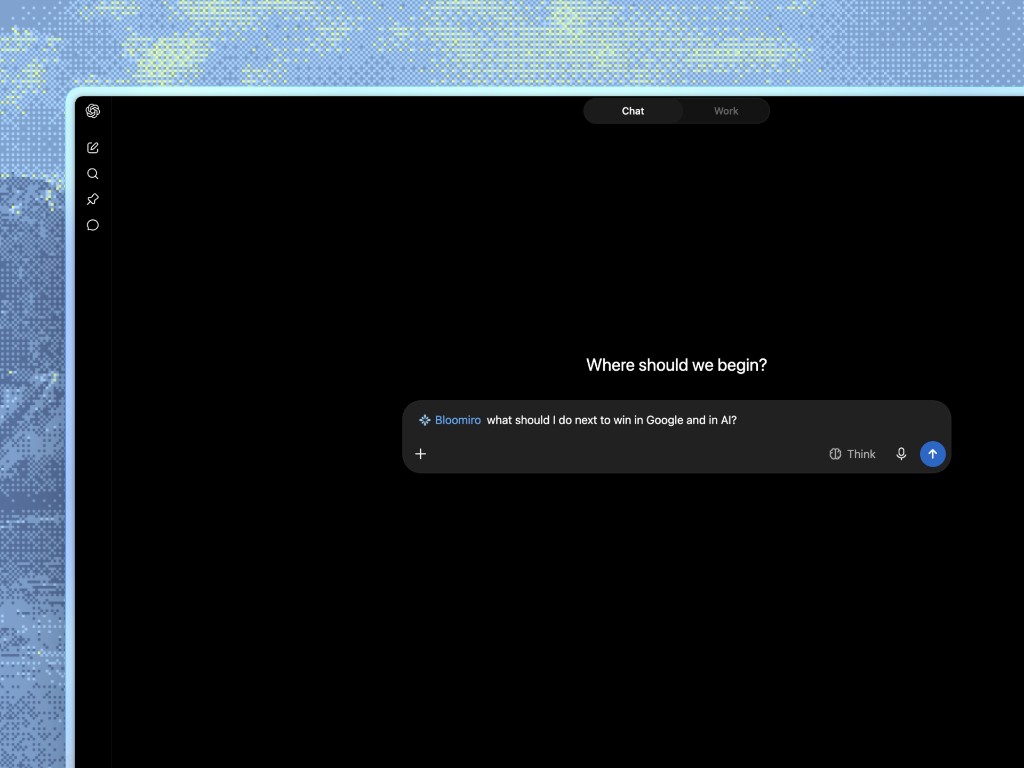
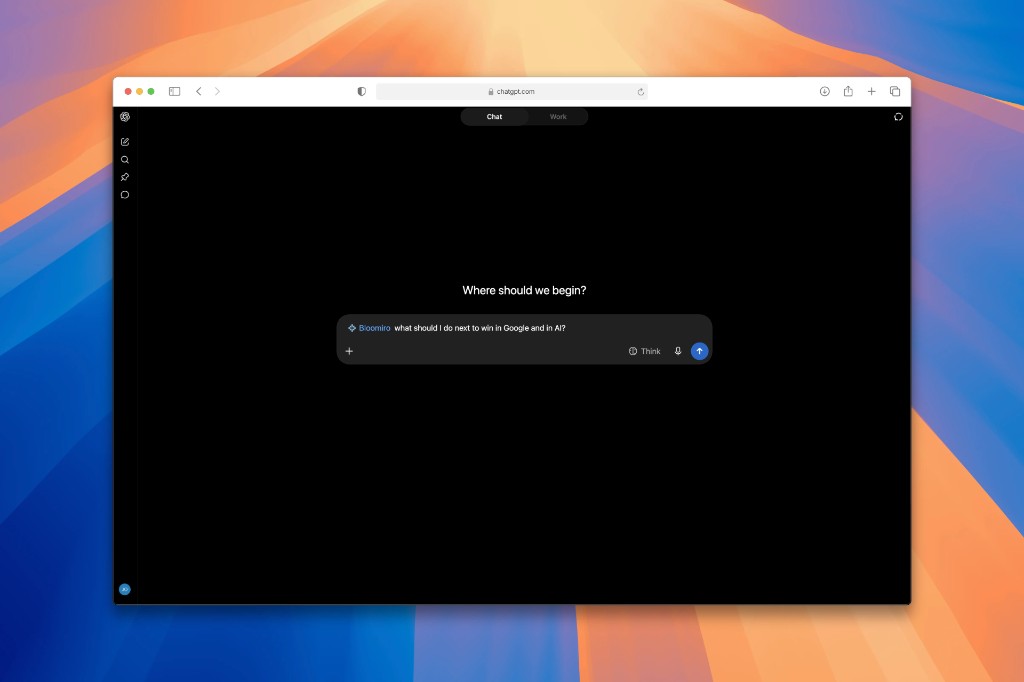
One project per client site. Connect those projects to the assistant your team already opens, through MCP. ChatGPT, Claude, Cursor: same idea. You are not pasting a monthly export into a new doc.
Then ask in plain language.
- "What should we focus on for this client?"
- "Summarize what we shipped, and when."
- "Draft the client note: prompts, mentions, citations, and the next page."
The project already has the runs, the Search Console rows, and the tasks. The answer is a summary of that, not a new strategy invented in the chat. If you would rather stay inside Bloomiro, ask the same thing in Bloomiro chat. Either way, the report is "what was done, and when," plus the one page you will change next.
Cadence and seats
Monthly is a fine client meeting. The runs can be weekly so the meeting is not one unlucky day. Bloomiro schedules prompt groups daily, twice a week, weekly, or every two weeks. Say which one you used. How often to re-check.
Seat math matters if several people open the project. Some tools charge per seat and some do not. Peec's public pitch is unlimited seats, which is why agencies shortlist it. Compare that with the report you can actually produce, not with the seat line alone: Bloomiro vs Peec and Bloomiro pricing.
How the work gets done after the call
The report is wasted if the next step is "the client will review the PDF." Put the edit in a shared board the client can see. In Bloomiro that is the action list: title, the URL, the prompt it serves. The same list is what you ask the connected assistant to summarize.
Measure the next run against the same prompts. If the citation did not move, say so. A client who hears the truth will keep you. A client who hears "visibility is trending up" with no denominator will not, once they ask ChatGPT themselves.